
 Transfer Here

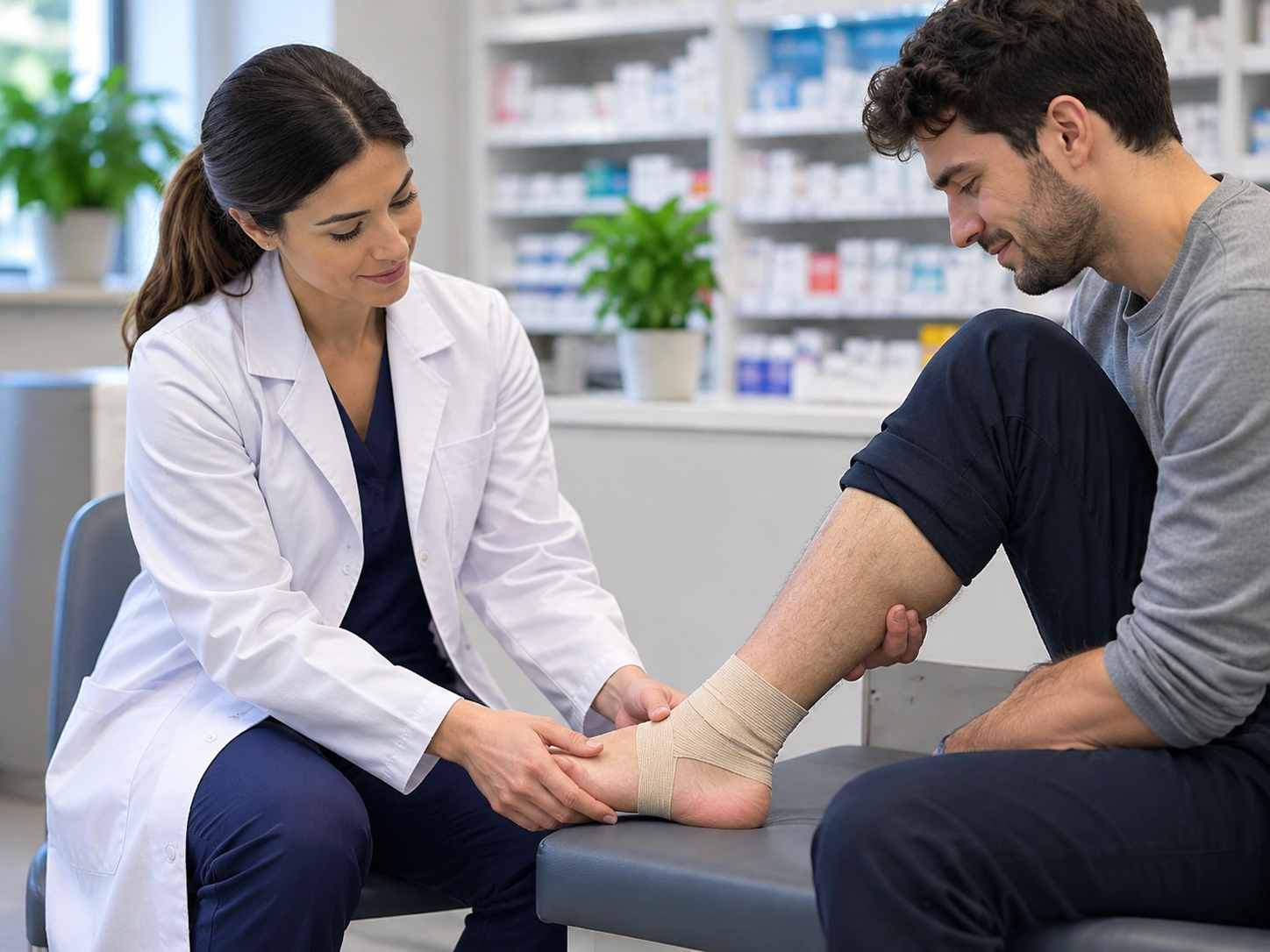
Need minor sprain treatment in Calgary? Learn about symptoms, causes, first aid, recovery, and pharmacist assessment at Kinsol Pharmacy.
A sudden twist of the ankle, an awkward landing, or an unexpected movement during exercise can cause a painful sprain. Even a minor injury can affect walking, daily activities, and physical comfort. Understanding the symptoms and getting appropriate advice can help you manage the injury and support recovery.
If you are looking for minor sprain treatment in Calgary, Kinsol Pharmacy lists minor injuries, including sprains, among its prescribing pharmacist services. An eligible pharmacist assessment can help determine whether your injury is suitable for pharmacy-based care or requires further medical attention.

What Is a Sprain?
A sprain occurs when a ligament is stretched or torn. Ligaments are strong bands of connective tissue that connect bones and help stabilize joints.
Sprains commonly affect the:
- Ankle: Often caused by twisting or rolling the foot.
- Wrist: Can occur after falling onto an outstretched hand.
- Knee: May happen during sudden changes in direction or sports activities.
- Thumb: Can result from an awkward impact or forceful movement.
Sprains range from mild ligament stretching to more significant tears. Their severity depends on the affected joint and the extent of the injury.
What Causes Minor Sprains?
Sprains can happen during everyday activities, exercise, sports, or accidental falls.
Common causes include:
1. Sudden Twisting Movements
Turning quickly while walking, running, or playing sports can place excessive stress on a joint and stretch its ligaments.
2. Slipping or Falling
An awkward landing or fall can force a joint beyond its normal range of movement.
3. Sports and Physical Activities
Activities involving jumping, running, sudden stops, or changes in direction can increase the risk of ligament injuries.
4. Uneven Walking Surfaces
Walking on uneven pavement, slippery floors, or unstable ground may cause the ankle or another joint to twist unexpectedly.
5. Previous Joint Injuries
A previous sprain may leave a joint more vulnerable to another injury, particularly if strength, balance, and stability have not fully recovered.
What Are the Common Symptoms of a Sprain?
Symptoms depend on the location and severity of the injury. Common signs include:
- Pain: Discomfort around the affected joint, especially when moving or putting weight on it.
- Swelling: The injured area may become swollen after the incident.
- Bruising: Discolouration can develop around the joint.
- Tenderness: The area may hurt when touched or pressed.
- Limited movement: Moving the affected joint may become uncomfortable or difficult.
- Joint instability: More significant ligament injuries may make the joint feel weak or unstable.
Not every painful joint injury is a sprain. Fractures, dislocations, and tendon injuries can produce similar symptoms. An appropriate assessment is important before deciding on treatment.
How Is Minor Sprain Treatment in Calgary Assessed?
The appropriate approach depends on the injured joint, symptoms, injury mechanism, and whether there are signs of a more serious problem.
A healthcare professional may ask:
- When and how the injury happened.
- Which joint is affected.
- Whether you can move the joint or bear weight.
- Whether swelling or bruising has developed.
- Whether you have experienced previous injuries.
- Whether you have other medical conditions or take regular medication.
Depending on the findings, an eligible minor sprain may be suitable for pharmacist-led care. If a fracture or more serious injury is suspected, further medical assessment may be necessary.
What Can Help Manage a Minor Sprain?
Appropriate early care can help reduce discomfort and protect the injured joint.
1. Protect the Injured Joint
Avoid activities that increase pain or place excessive stress on the affected area. Depending on the injury, temporary support may be recommended.
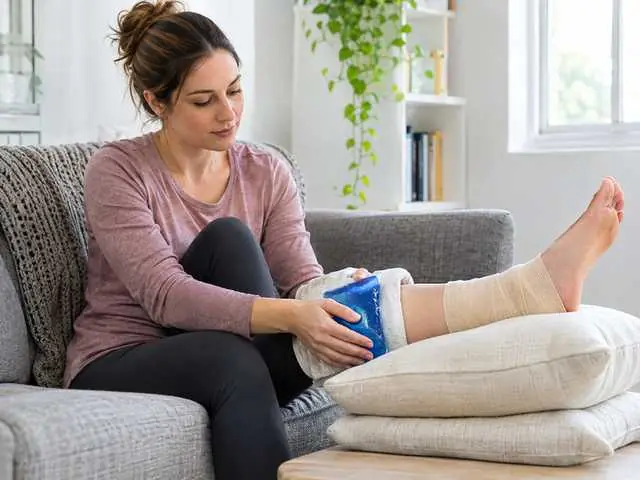
2. Apply a Cold Pack for Comfort
A cold pack wrapped in a towel may help reduce pain and swelling.
Avoid applying ice directly to the skin. Use cold therapy for short periods and stop if the skin becomes numb or irritated.
3. Consider Appropriate Compression
A suitable compression bandage may help manage swelling in some injuries. It should not be so tight that it causes numbness, tingling, increased pain, or changes in skin colour.
4. Elevate the Injured Area
When practical, raise the affected limb above heart level to help manage swelling.
5. Gradually Resume Movement
Once the initial discomfort allows, gentle movement may help prevent unnecessary stiffness. Avoid forcing the joint or returning to strenuous activity too soon.
For further information, see HealthLink Alberta’s injury and sprain guidance.
When Should You Seek Medical Attention?
Some injuries that appear to be minor may involve a fracture or significant ligament damage.
Seek prompt medical assessment if:
- You cannot bear weight or use the affected joint.
- You experience severe or worsening pain.
- The joint looks deformed.
- There is significant swelling or bruising.
- You experience numbness, tingling, or loss of sensation.
- The affected area becomes cold, pale, or unusually discoloured.
- You suspect a fracture or dislocation.
An open wound, severe deformity, or loss of circulation requires urgent medical attention.
If symptoms do not improve as expected, arrange a follow-up assessment rather than continuing self-treatment.
How Long Does a Minor Sprain Take to Heal?
Recovery time depends on the affected joint, the severity of the ligament injury, and individual health factors.
A mild sprain may improve over a few weeks, while more significant injuries can take considerably longer.
Returning to exercise or sports too early may increase the risk of another injury.
Before resuming demanding activities, make sure you can move the joint comfortably and perform the necessary movements without significant pain or instability. More substantial injuries may require a rehabilitation plan.
Can a Pharmacist Help With Minor Sprain Treatment in Calgary?
Yes. Alberta pharmacists with appropriate prescribing authorization may assess eligible minor injuries and determine whether treatment can be provided within their professional scope.
Kinsol Pharmacy lists minor injuries, including sprains and burns, among its prescribing pharmacist services.
During an assessment, the pharmacist may review your symptoms, injury history, medications, and relevant medical conditions.
Depending on the findings, the pharmacist may recommend suitable care, discuss medication options where appropriate, or refer you for further medical evaluation.
Pharmacy-based assessment is not a replacement for emergency or diagnostic services when a serious injury is suspected.
How to Reduce Your Risk of Future Sprains
Although not every sprain can be prevented, some practical habits may help reduce injury risk.
Warm Up Before Exercise
Prepare your muscles and joints before sports or strenuous physical activity.
Improve Strength and Balance
Exercises that improve joint stability, balance, and muscle strength may help reduce the risk of certain injuries.
Wear Suitable Footwear
Choose shoes that provide appropriate support for your activity and fit comfortably.
Be Careful on Uneven Surfaces
Watch for slippery floors, loose stones, uneven pavement, and other potential hazards.
Allow Time for Recovery
Do not rush back into demanding activities after an injury. Follow appropriate recovery guidance and address persistent pain or instability.
Where to Get Minor Sprain Treatment in Calgary
Kinsol Pharmacy offers prescribing pharmacist services and lists minor injuries, including sprains, among its healthcare offerings.
If you are searching for minor sprain treatment in Calgary, you can contact the pharmacy to confirm whether your injury is suitable for pharmacist assessment and whether an appointment is recommended.
Explore the Kinsol Pharmacy Services page for more information.
Kinsol Pharmacy Locations
Bridgeland
803 1 Ave NE
Calgary, AB T2E 7C5
Phone: (587) 351-8923
Sage Hill
80 Sage Hill Rd NW, Unit 110
Calgary, AB T3R 0S4
Phone: (587) 440-8923
You can also visit the Kinsol Pharmacy Appointment Page to explore consultation options.
Contact your preferred location before visiting to confirm service availability and eligibility.
Frequently Asked Questions
1. What is the difference between a sprain and a strain?
A sprain affects ligaments, which connect bones at joints. A strain affects muscles or tendons. Both can cause pain, swelling, and difficulty moving the affected area.
2. Can a pharmacist assess a minor sprain in Calgary?
An appropriately authorized pharmacist may assess eligible minor injuries within their professional scope. Kinsol Pharmacy lists sprains among the minor injuries covered by its prescribing pharmacist services.
3. Should I walk on a sprained ankle?
It depends on the severity of the injury. Avoid forcing weight onto a painful joint. If you cannot bear weight or suspect a fracture, seek medical assessment.
4. How long does a minor sprain take to heal?
Recovery varies according to the severity and location of the injury. Mild sprains may improve over a few weeks, while more significant injuries can take longer.
5. Should I use ice on a sprain?
A cold pack wrapped in a towel may help relieve pain and swelling. Never apply ice directly to the skin, and stop if you experience numbness or skin irritation.
6. When should I see a doctor for a sprain?
Seek medical attention if you experience severe pain, significant swelling, joint deformity, numbness, inability to bear weight, or symptoms that are not improving.
7. Can a sprain happen again?
Yes. Previous joint injuries, incomplete recovery, and reduced joint stability can increase the risk of another sprain. Appropriate rehabilitation and gradual return to activity may help reduce this risk.
Conclusion
A sprain may seem like a minor injury, but appropriate assessment and recovery care are important for protecting joint function and reducing the risk of further problems.
If you are looking for minor sprain treatment in Calgary, Kinsol Pharmacy offers prescribing pharmacist services for eligible minor injuries, including sprains. Contact the Bridgeland or Sage Hill location to discuss your symptoms and confirm whether pharmacist assessment is suitable.
Recognizing the injury early and choosing the right care can help you get back to your everyday activities more safely.
Medical disclaimer: This article is for educational purposes only and does not replace professional medical advice, diagnosis, or treatment. Seek appropriate medical assessment if you suspect a fracture, dislocation, or serious ligament injury.

