
 Transfer Here

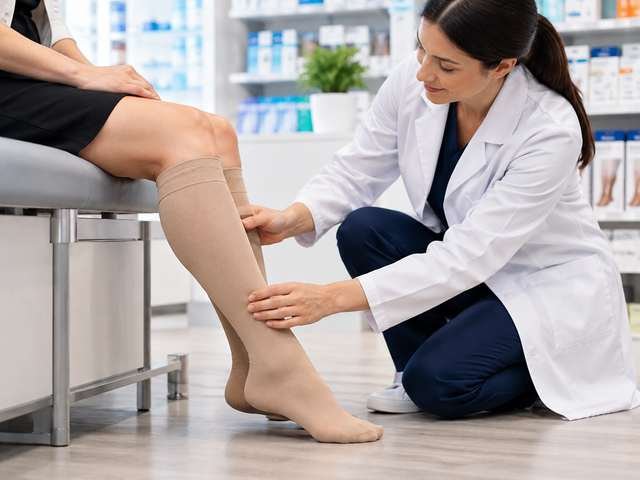
Looking for compression stockings in Calgary? Learn about benefits, proper fitting, safe use, and personalized fitting services at Kinsol Pharmacy.
Leg swelling, aching legs, and discomfort after long periods of standing or sitting can affect everyday activities. For some people, compression stockings may help relieve these symptoms and support healthy blood flow. If you are searching for compression stockings in Calgary, understanding the different options, correct fitting, and safe use can help you make a more informed decision.
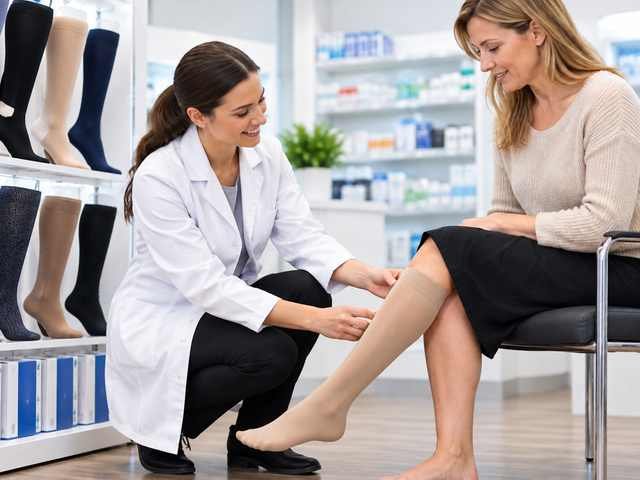
Kinsol Pharmacy offers compression stockings with personalized fitting assistance at its Calgary pharmacy locations. Whether you need support for everyday comfort or have been advised to wear medical compression stockings, the right fit and compression level matter.
What Are Compression Stockings?
Compression stockings are specially designed garments that apply controlled pressure to the legs. Graduated compression stockings generally provide the greatest pressure around the ankle, with pressure gradually decreasing higher up the leg.
This design helps support blood flow and reduce the pooling of blood and fluid in the lower legs.
According to MyHealth Alberta’s guide to compression stockings, compression stockings may help improve circulation, manage swelling, and relieve symptoms associated with certain vein-related conditions.
However, not every type of compression stocking is suitable for every person. The appropriate garment depends on your symptoms, medical history, and individual needs.
What Are the Benefits of Compression Stockings?
The benefits of compression stockings depend on why you need them and whether they fit correctly.
1. Help Manage Leg Swelling
Fluid can accumulate in the lower legs and ankles for various reasons. Appropriate compression stockings may help manage certain types of swelling by supporting circulation and limiting fluid accumulation.
Persistent or unexplained swelling should be assessed by a healthcare professional rather than treated with compression garments alone.
2. Support People With Varicose Veins
Varicose veins are enlarged veins that may cause aching, heaviness, discomfort, or swelling. Compression stockings may help relieve some of these symptoms when recommended for the individual’s condition.
Learn more from HealthLink BC’s guide to compression stockings for varicose veins.
3. Provide Support During Long Periods of Standing
People who spend much of their working day standing may experience leg fatigue or discomfort. Depending on the cause of their symptoms, compression garments may provide useful support.
However, compression stockings are not a substitute for regular movement, appropriate footwear, or medical evaluation when symptoms persist.
4. Support Selected Medical Treatment Plans
Healthcare professionals may recommend compression stockings for specific venous conditions or other circumstances where compression is appropriate.
The required compression strength, length, and wearing schedule should be based on professional guidance, particularly when the stockings are being used to manage a diagnosed medical condition.
How to Choose the Right Compression Stockings in Calgary
Choosing compression stockings in Calgary starts with understanding your symptoms, selecting an appropriate compression level, and ensuring a proper fit. A pharmacist or qualified healthcare professional can help you understand which options may be suitable for your needs.
Consider the following factors.
Compression Level
Compression stockings are available in different pressure levels. Lighter support garments and medical-grade compression stockings are not interchangeable in every situation.
A healthcare professional can help determine the appropriate compression level based on your symptoms and medical needs.
Do not automatically choose stronger compression because it seems more effective. Excessive or unsuitable compression can cause problems for some people.
Length and Style
Compression stockings come in different styles, including knee-high and thigh-high options. The appropriate style depends on the area requiring support and the reason for wearing the garment.
Your healthcare professional or trained fitter can help you understand which option is appropriate.
Correct Measurements
Proper sizing is essential. Stockings that are too loose may not provide the intended support, while those that are too tight may cause discomfort or restrict circulation in susceptible individuals.
Measurements may include the circumference of the ankle, calf, and other areas depending on the stocking style. Leg swelling can change during the day, so follow the fitting instructions provided by the professional assisting you.
Comfort and Daily Use
A suitable stocking should feel snug and supportive without causing pain, numbness, or unusual skin changes. If the garment repeatedly slips, rolls down, bunches up, or leaves painful pressure marks, the fit may need to be reassessed.
How Should You Wear Compression Stockings?
Correct use can make compression stockings easier to wear and help maintain their intended function.
Follow the instructions provided for your specific garment. General guidance from MyHealth Alberta includes the following practices:
- Put the stockings on in the morning if this matches your recommended wearing schedule, when leg swelling may be lower.
- Make sure your skin is clean and dry before putting them on.
- Pull the fabric up gradually instead of pulling forcefully from the top.
- Smooth out wrinkles and avoid folding down the upper edge.
- Follow the recommended schedule for wearing and removing the stockings.
- Clean and maintain the garment according to its care instructions.
Some people find compression stockings difficult to put on. Rubber gloves or a specially designed stocking aid may help. Ask your fitter or healthcare professional about suitable options.
Do not assume that compression stockings should be worn overnight. Follow the instructions specific to your treatment plan.
Who Should Seek Advice Before Using Compression Stockings?
Compression stockings are not suitable for everyone. People with certain circulation problems, reduced sensation in the legs, or other medical conditions may require an assessment before using them.
Seek professional guidance before selecting medical compression stockings if you have diabetes with reduced sensation, known arterial circulation problems, significant leg swelling, or a history of relevant vascular conditions.
Remove the stockings and seek advice if they cause new numbness, tingling, pain, skin irritation, or unusual changes in toe colour.
Seek urgent medical attention for sudden one-sided leg swelling, especially when accompanied by pain, warmth, or redness. If leg symptoms occur with chest pain or sudden shortness of breath, seek emergency care.
Compression stockings should not be used to self-treat symptoms that could indicate a serious condition.
Where to Find Compression Stockings in Calgary
If you need compression stockings in Calgary, Kinsol Pharmacy can help you enquire about available products and personalized fitting assistance. Contact your preferred location to confirm availability, fitting requirements, and applicable costs..
Before visiting, contact the pharmacy to confirm current stock, fitting availability, appointment requirements, and any applicable costs.
You can explore the Kinsol Pharmacy services page for information about its broader pharmacy services or visit the appointment page to check available options.

Kinsol Pharmacy Locations
Bridgeland
803 1 Ave NE
Calgary, AB T2E 7C5
Phone: (587) 351-8923
Sage Hill
80 Sage Hill Rd NW, Unit 110
Calgary, AB T3R 0S4
Phone: (587) 440-8923
Contact your preferred location before visiting to confirm that compression stocking fitting services are available there.
Frequently Asked Questions
1. What are compression stockings used for?
Compression stockings apply controlled pressure to the legs. Depending on the type and the individual’s condition, they may help manage swelling, support circulation, and relieve symptoms associated with varicose veins.
2. How do I choose compression stockings in Calgary?
Consider the reason you need them, the required compression level, the stocking length, and your leg measurements. For medical compression stockings, ask a qualified healthcare professional or trained fitter for guidance.
3. Can I buy compression stockings without a prescription?
Some non-medical support stockings are available without a prescription. Medical-grade compression garments may require professional assessment or a prescription depending on the product and circumstances. Confirm the requirements for the type you need.
4. How long should I wear compression stockings each day?
The recommended wearing schedule depends on the condition being managed and the type of stocking. Many prescribed stockings are worn during waking hours, but you should follow the instructions provided by your healthcare professional.
5. Should compression stockings feel tight?
They should generally feel snug and supportive, not painful. Numbness, tingling, pain, or unusual skin or toe colour changes are warning signs that require prompt attention.
6. Does Kinsol Pharmacy offer compression stocking fitting in Calgary?
Kinsol Pharmacy lists compression stockings and personalized fitting assistance among its services. Contact the pharmacy to confirm the current fitting process, availability, and costs.
Conclusion
Choosing the right compression stockings in Calgary starts with understanding your needs, selecting an appropriate compression level, and ensuring a comfortable fit. Correctly selected stockings may help manage certain types of leg swelling and discomfort, but they are not suitable for every medical condition.
For compression stockings in Calgary, contact Kinsol Pharmacy to ask about suitable options and personalized fitting services.
Medical disclaimer: This article is for educational purposes only and does not replace professional medical advice, diagnosis, or treatment. Seek appropriate medical guidance before using medical compression stockings if you have an underlying circulation condition or unexplained leg swelling.

